

Washing instructions for workwear
How to make your workwear and protective clothing last a long time – five steps to better strength
Workwear and protective clothing is an investment – not only for the safety of the individual, but also for the company's finances and environmental work. By taking care of your garments properly, you can extend their lifespan significantly. Here are five concrete steps to get the most out of your protective clothing, safety shoes, work shoes and other essential workwear.
- Always follow the washing instructions
- Wash regularly, but not too often
- Close all details before washing
- Use the right detergent and avoid fabric softener
- Store correctly and repair if necessary
Regardless of whether you work in healthcare, industry, construction, warehousing or any other professional group where workwear is a must, there is a common need: for the clothes to work – and last – day after day. With proper care, you can avoid unnecessary wear and tear and prevent protective properties from deteriorating. It is both about economy, safety and sustainability.
Why workwear and protective clothing wear out unnecessarily
Improper washing, excessive use of fabric softener or simply skipping care instructions – these are common reasons why workwear wears out prematurely. When protective clothing loses its technical properties, it can pose a direct risk to the wearer. A High Visibility garment that has lost its luster, or safety shoes with broken seams, no longer fulfil their purpose. In other words: the protective properties are not up to scratch if the garment is not cared for properly.

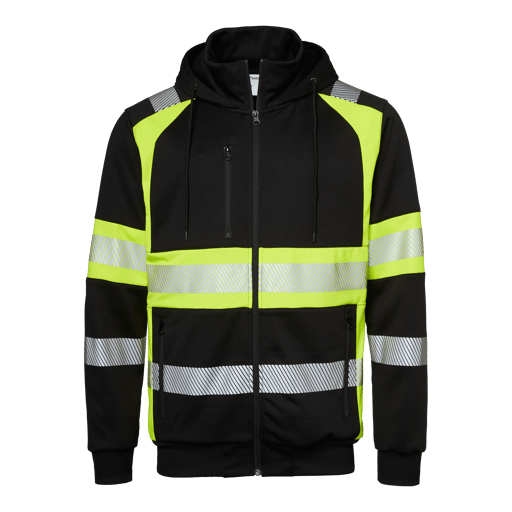
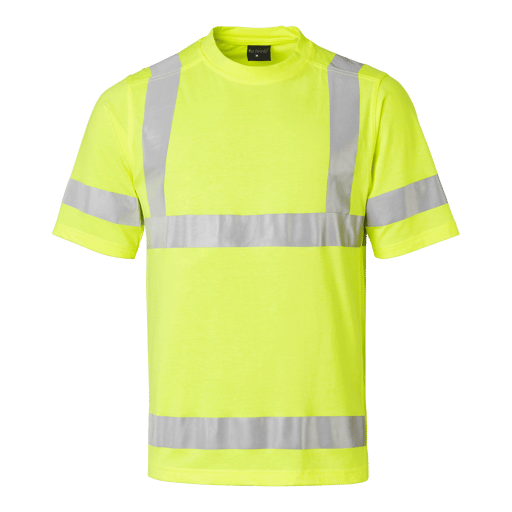
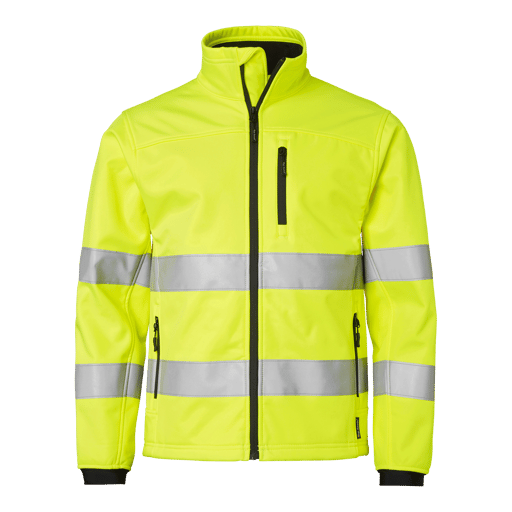
5 steps: How to make your workwear last longer
Here are five simple, but crucial steps you should follow to optimize the lifespan of your workwear while maintaining protective properties:
1. Follow the washing instructions – always
Every garment, whether it is protective and work gloves, jackets, trousers, t-shirts and hi-vis garments, safety shoes or work shoes, is marked with a specific washing instruction. It is important to follow these instructions so as not to spoil the technical properties of the materials. If washed incorrectly, a garment certified according to EN ISO 20471 (High Visibility) may have reduced visibility.
Tips: Do you want to cut off the care label? Take a picture with your mobile phone beforehand!
Do you have questions about the washing instructions? Contact Båstadgruppen's customer service here.
2. Wash regularly – but not too often
Dirty garments wear out faster because the dirt breaks down the fibres. At the same time, you should not over-wash, especially wool or materials with impregnation. For some protective clothing, airing is a better option.
Remember: Safety shoes and work shoes also benefit from cleaning – brush off dirt and dry them at room temperature.
3. Close all details before washing
Zippers, Velcro and buttons should be closed before washing. This reduces the risk of wear and tear and the garments getting stuck in each other. Garments with reflectors should be turned inside out – reflective material is sensitive to both heat and friction.
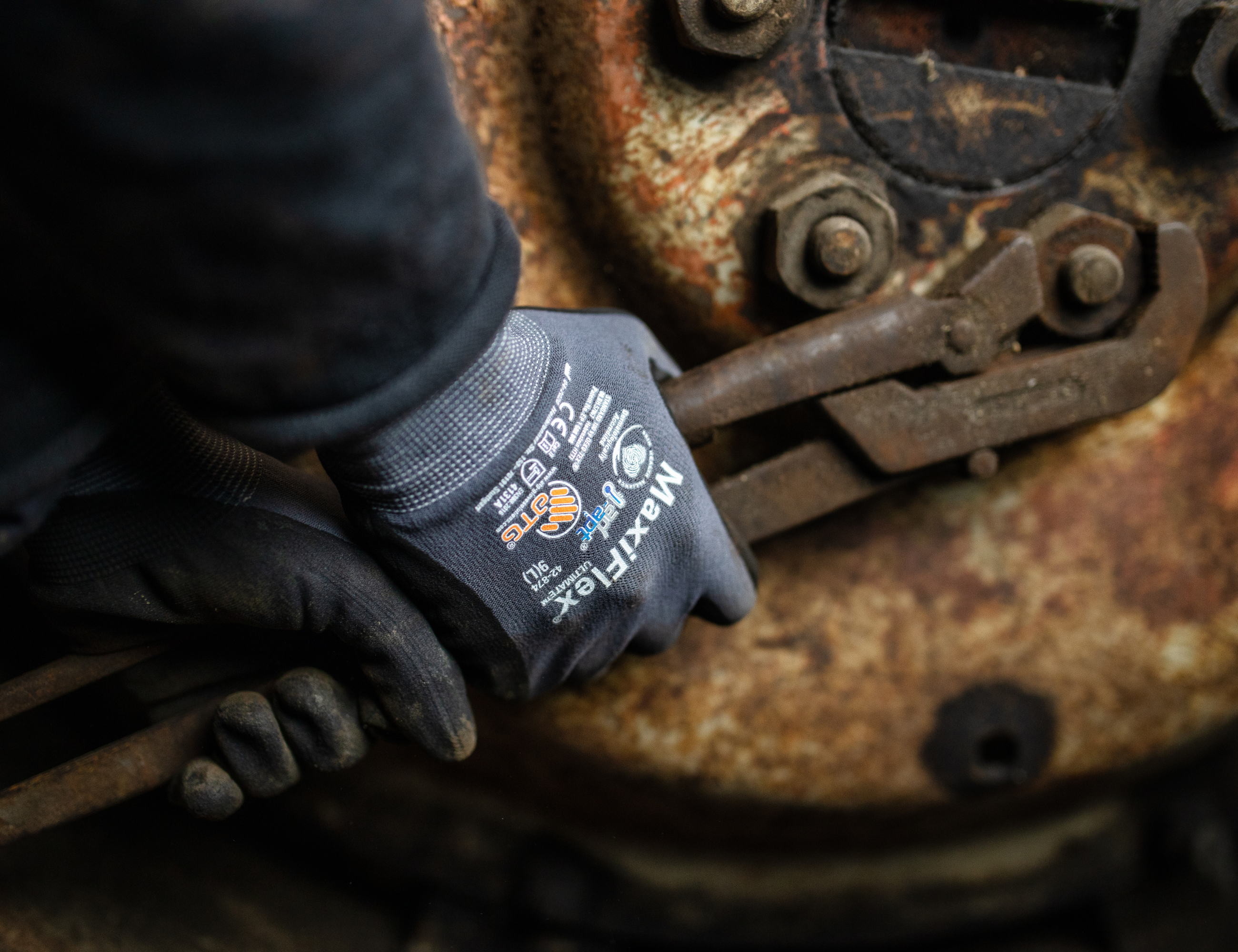
Also applies to work gloves and protective gloves – always read on the packaging how they should be cleaned or dried.
4. Use the right detergent – and avoid fabric softener
Fabric softener is one of the most common reasons why workwear loses its properties unnecessarily quickly. It clogs the pores in the fabric, destroys impregnations and breaks down textile fibres. Instead, use synthetic detergents without bleach. For wool – use special detergents.
Not infrequently when we receive complaints about garments, we immediately smell that fabric softener has been used – even though it is clear that it should be avoided," says Evelina Arvidsson, responsible for washing advice at Båstadgruppen.

Read also: Our interview with our Garment Technician, Evelina Arvidsson
5. Store correctly and repair if necessary
When workwear is not in use, it should be stored in a dry, dark and cool place – never in damp environments and never in direct sunlight. Garments that have suffered minor damage should be repaired before they are used again. A torn garment with the CE mark can lose its entire protective function.
Protective clothing should always be repaired with the right type of material – contact our customer service for tips on how.
Think about the whole equipment – not just the clothes
Taking care of your equipment is not just about the clothes. Safety shoes, work shoes, helmets, goggles and gloves are just as important. A dirty helmet with a scratched visor or a pair of protective gloves dried on radiators can lose both comfort and level of protection.
By thinking holistically – from head to toe – you ensure that all your protective equipment lasts longer, works better and lives up to the safety requirements and work environment rules that exist in the workplace.
An investment that pays off
When workwear and protective clothing last longer, there are fewer purchases over time – which benefits both your wallet and the environment. It is also part of more sustainable consumption. For every garment that does not need to be replaced, the burden on both finances and resources is reduced.
In short: The right care makes a difference – for you, your safety and our common future.
FAQ – frequently asked questions about the care of workwear
How often should you wash work clothes?
Wash if necessary. Dirt breaks down materials, but too frequent washing can also wear down the garment.
Can you use fabric softener?
No, fabric softeners often impair the function of the materials and should be avoided.
What is the best way to dry workwear?
Air dry at room temperature. Avoid tumble dryers and heat sources.
When should you change your workwear?
When they are damaged or have lost their protective properties.